ROLE
Innovation Strategist
Innovation Strategist
Product Designer
Product Designer
Research Lead
Research Lead
SKILLS
Strategic Positioning
Strategic Positioning
UI/UX Design
UI/UX Design
User Research
User Research
TIMELINE
4 months
4 months
Los Angeles, CA
Los Angeles, CA
TEAM
Christine Lai
Christine Lai
Sinchana Nama
Sinchana Nama
Kelvin Ye
Kelvin Ye
Gen Z creatives have more references available to them than any generation before. And yet creative block is everywhere. Social media feeds are disconnected from personal context and designed for consumption — not creation.
As a studio of creatives ourselves, we've all felt it. Staring at a blank screen surrounded by content that doesn't actually spark anything.
Gen Z creatives have more references available to them than any generation before. And yet creative block is everywhere. Social media feeds are disconnected from personal context and designed for consumption — not creation.
As a studio of creatives ourselves, we've all felt it. Staring at a blank screen surrounded by content that doesn't actually spark anything.
Endless Content, Zero Inspiration
Endless Content, Zero Inspiration
THE PROBLEM
AI Is Solving the Wrong Problem
AI Is Solving the Wrong Problem
THE CHALLENGE
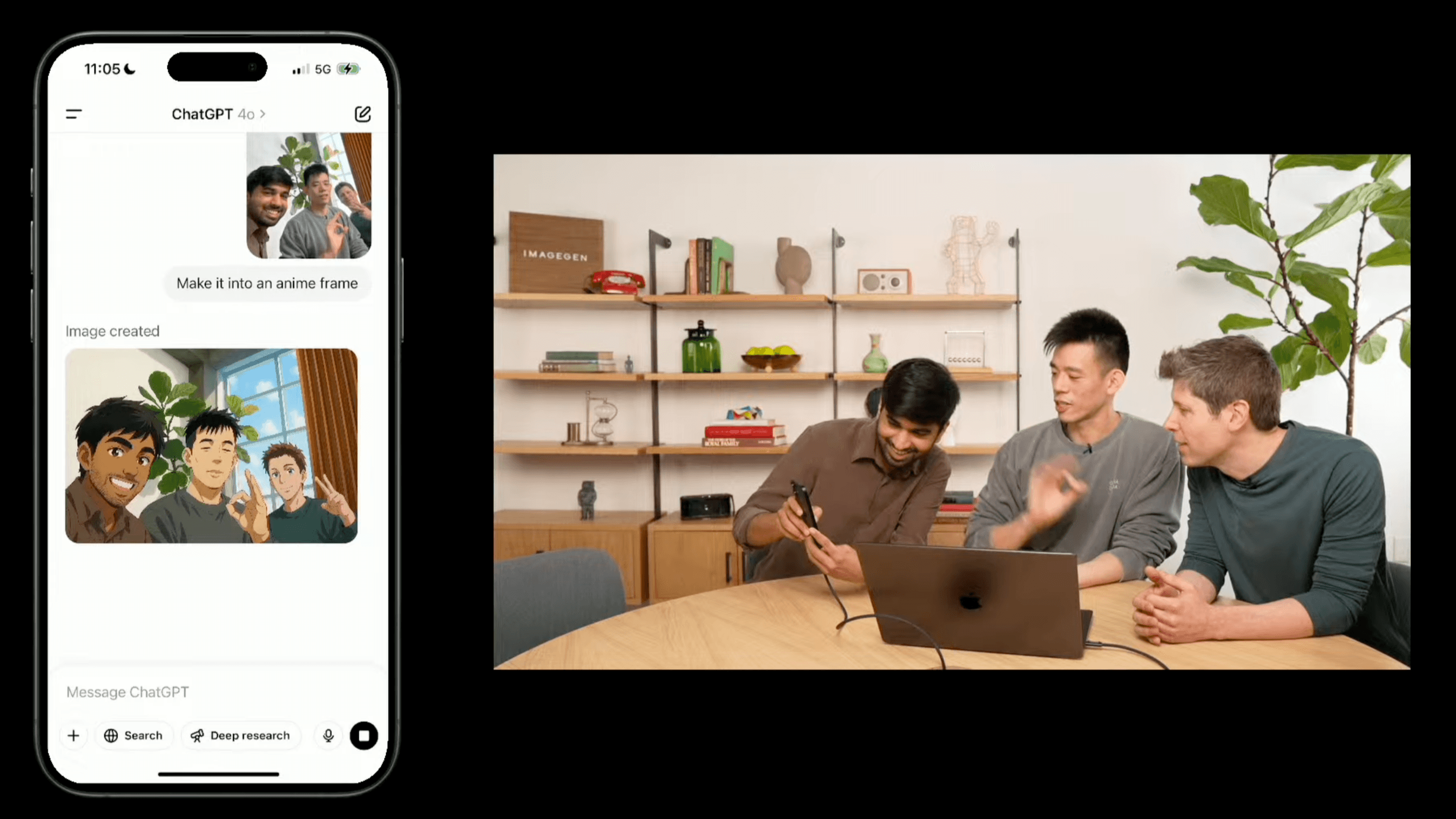
Prompted by Google Labs to imagine the future of generative media for young creatives, we kept running into the same tension: most AI tools focus on the end of the creative process, generating a final image or output. But that's not where creatives get stuck. The real gap is at the very beginning.
Prompted by Google Labs to imagine the future of generative media for young creatives, we kept running into the same tension: most AI tools focus on the end of the creative process, generating a final image or output. But that's not where creatives get stuck. The real gap is at the very beginning.
Creatives Want Help Getting Unstuck, Not Replaced
Creatives Want Help Getting Unstuck, Not Replaced
OUR INSIGHT
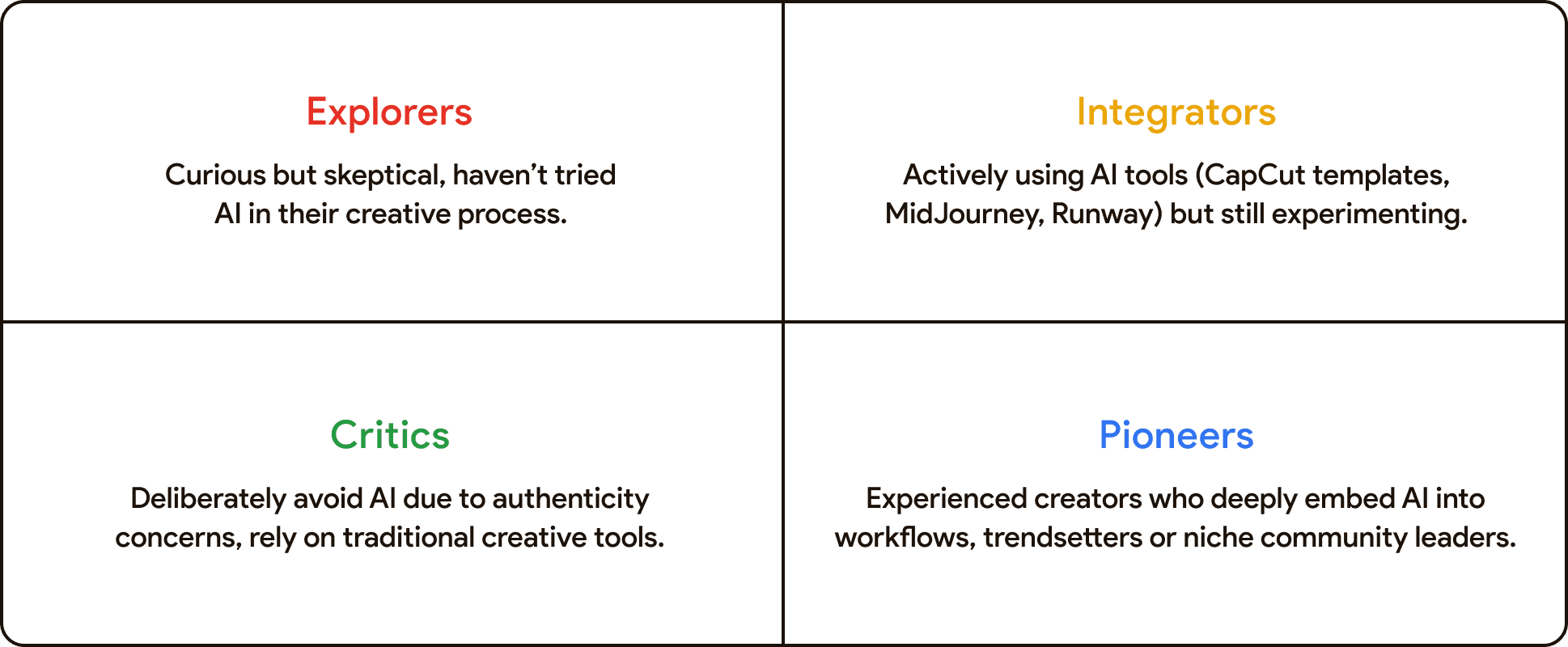
I led our research strategy across 30 user interviews and 10 street interviews with Gen Z creators. We structured our conversations around four creative personas: Explorers, Integrators, Critics, and Pioneers. Each persona had a different relationship to AI.
One quote captured what nearly everyone was feeling:
"AI is taking the easy way out of creativity. Although my productivity has increased, my creativity has greatly suffered."
— Tiana, nonprofit founder
When we asked what actually broke creative block, people described walks, travel, museums. Unexpected moments in the real world, not another feed.
I led our research strategy across 30 user interviews and 10 street interviews with Gen Z creators. We structured our conversations around four creative personas: Explorers, Integrators, Critics, and Pioneers. Each persona had a different relationship to AI.
One quote captured what nearly everyone was feeling:
"AI is taking the easy way out of creativity. Although my productivity has increased, my creativity has greatly suffered."
— Tiana, nonprofit founder
When we asked what actually broke creative block, people described walks, travel, museums. Unexpected moments in the real world, not another feed.
We Needed a Stronger Reason to Exist
We Needed a Stronger Reason to Exist
THE PIVOT
We initially pitched three concepts to Google Labs. The one they responded to most was a digital platform for discovering and organizing inspiration. But there was a problem: it felt too similar to other exploration platforms like Pinterest and Cosmos. And more critically, why would Google Labs build this when Pinterest already existed?
That feedback forced us to push the idea further. What if instead of sourcing inspiration online, AI helped you find it in the world around you? That shift repositioned the concept both in the market and within Google's brand.
We initially pitched three concepts to Google Labs. The one they responded to most was a digital platform for discovering and organizing inspiration. But there was a problem: it felt too similar to other exploration platforms like Pinterest and Cosmos. And more critically, why would Google Labs build this when Pinterest already existed?
That feedback forced us to push the idea further. What if instead of sourcing inspiration online, AI helped you find it in the world around you? That shift repositioned the concept both in the market and within Google's brand.
A Physical Wandering Experience, Backed by AI
A Physical Wandering Experience, Backed by AI
THE SOLUTION
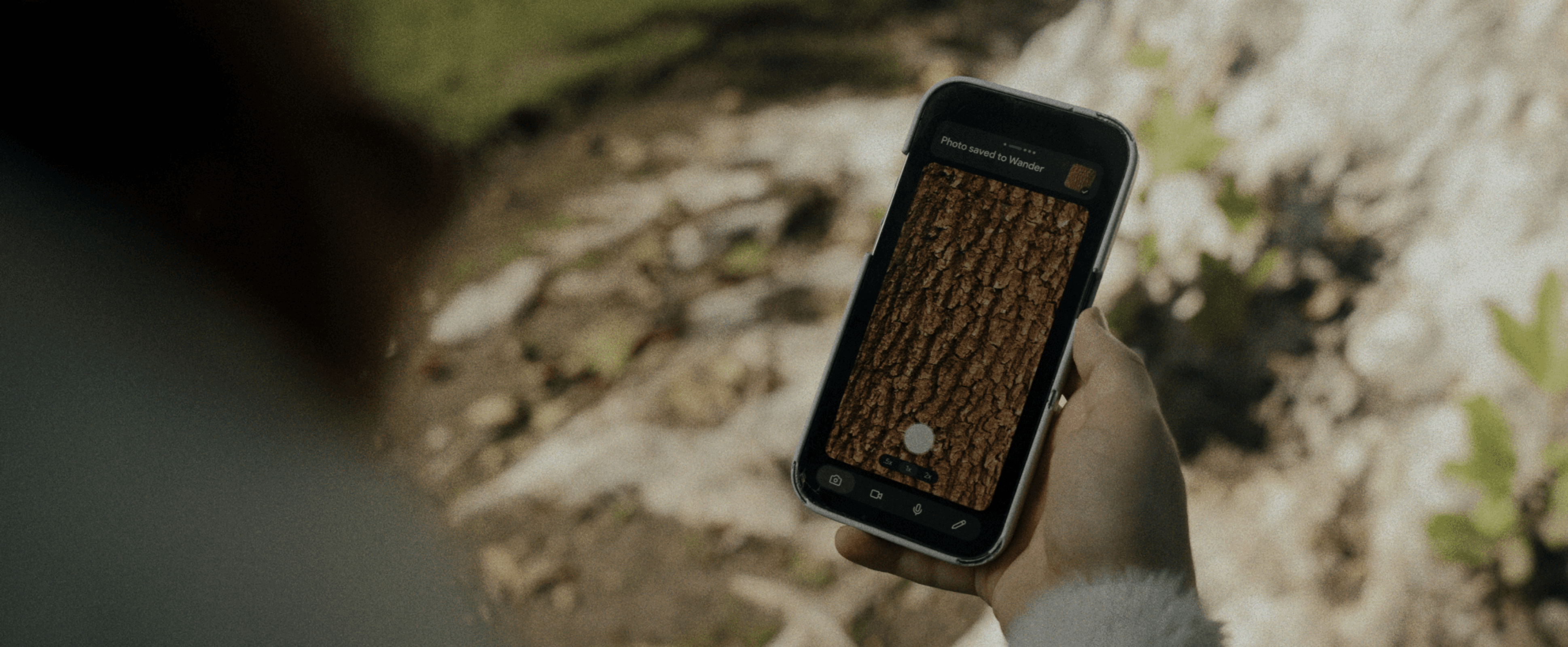
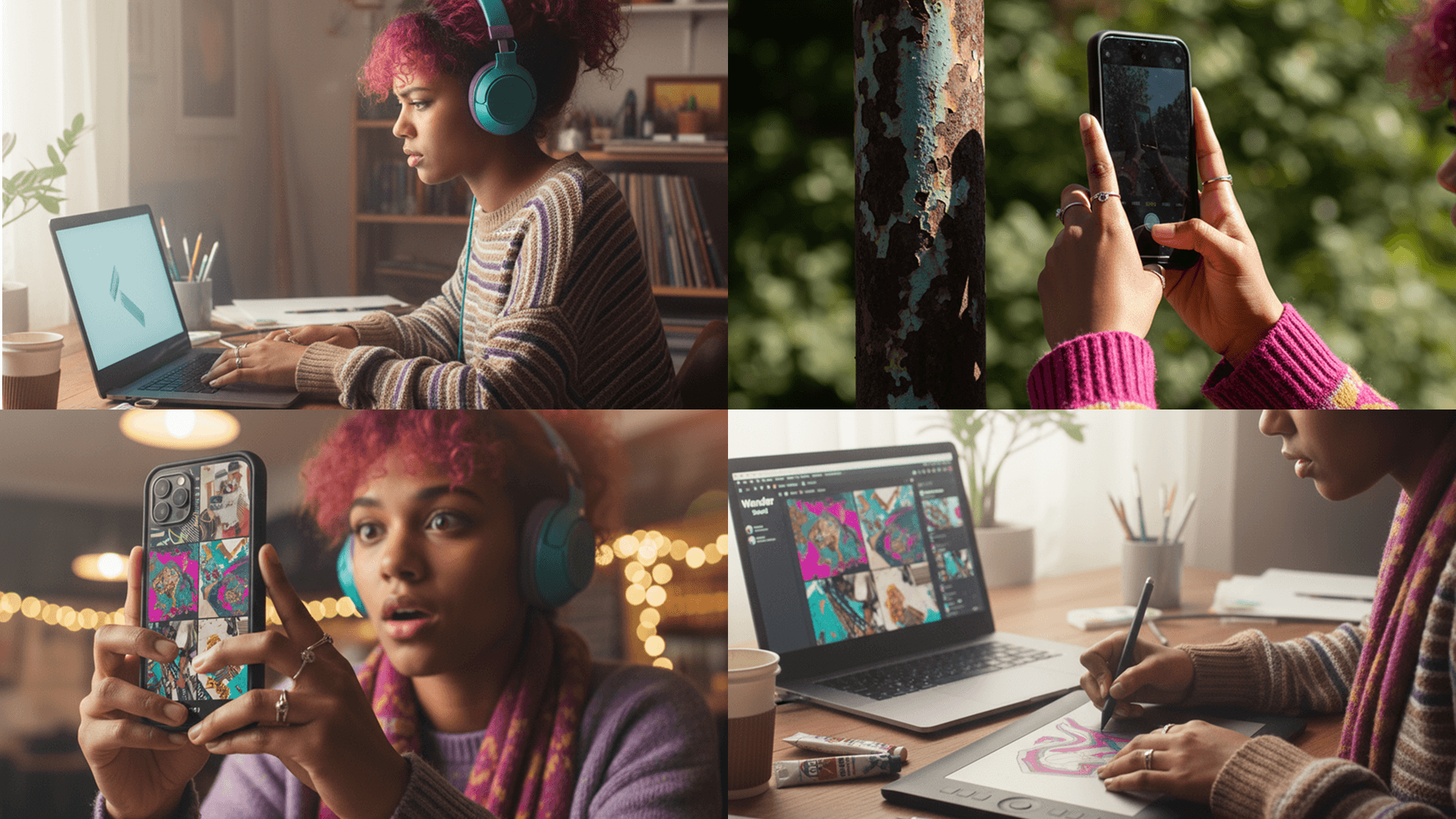
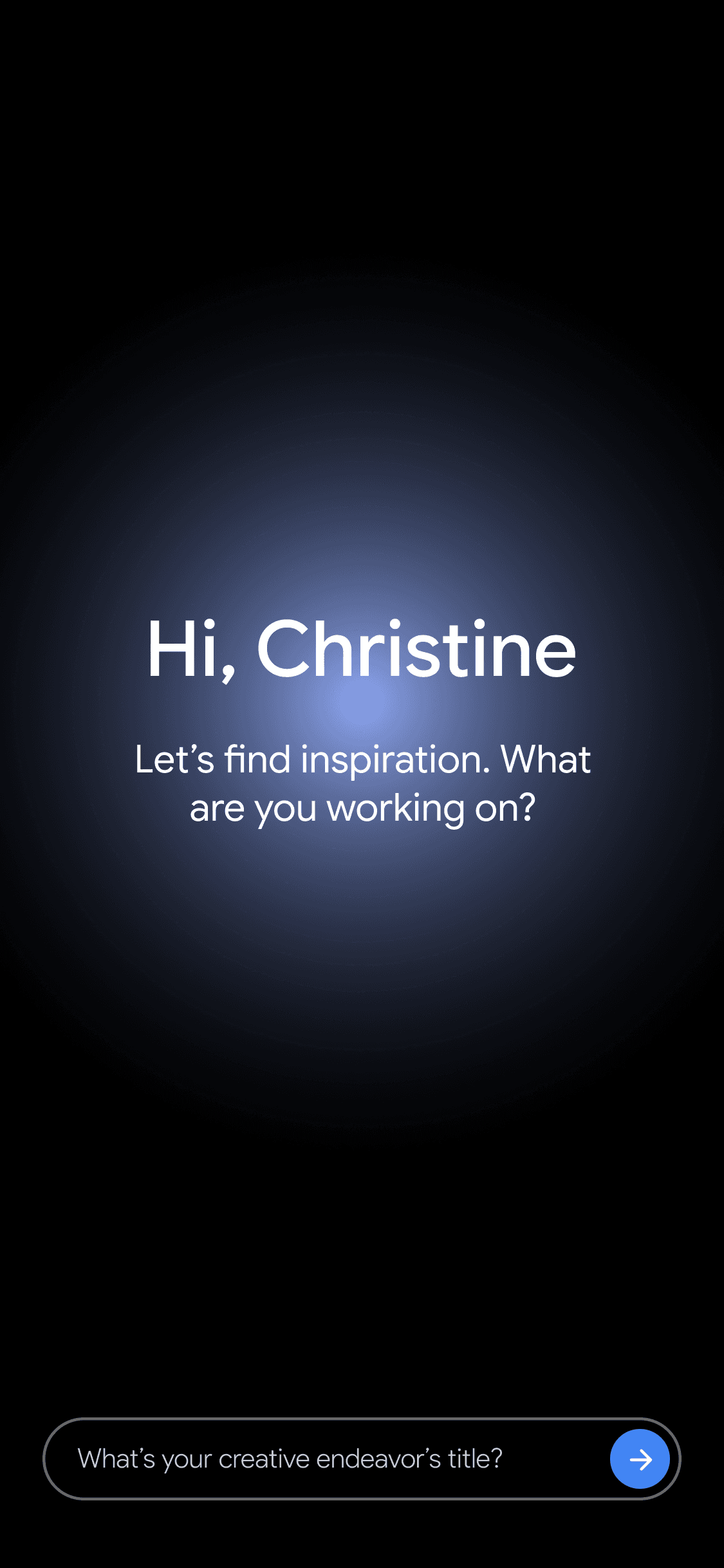
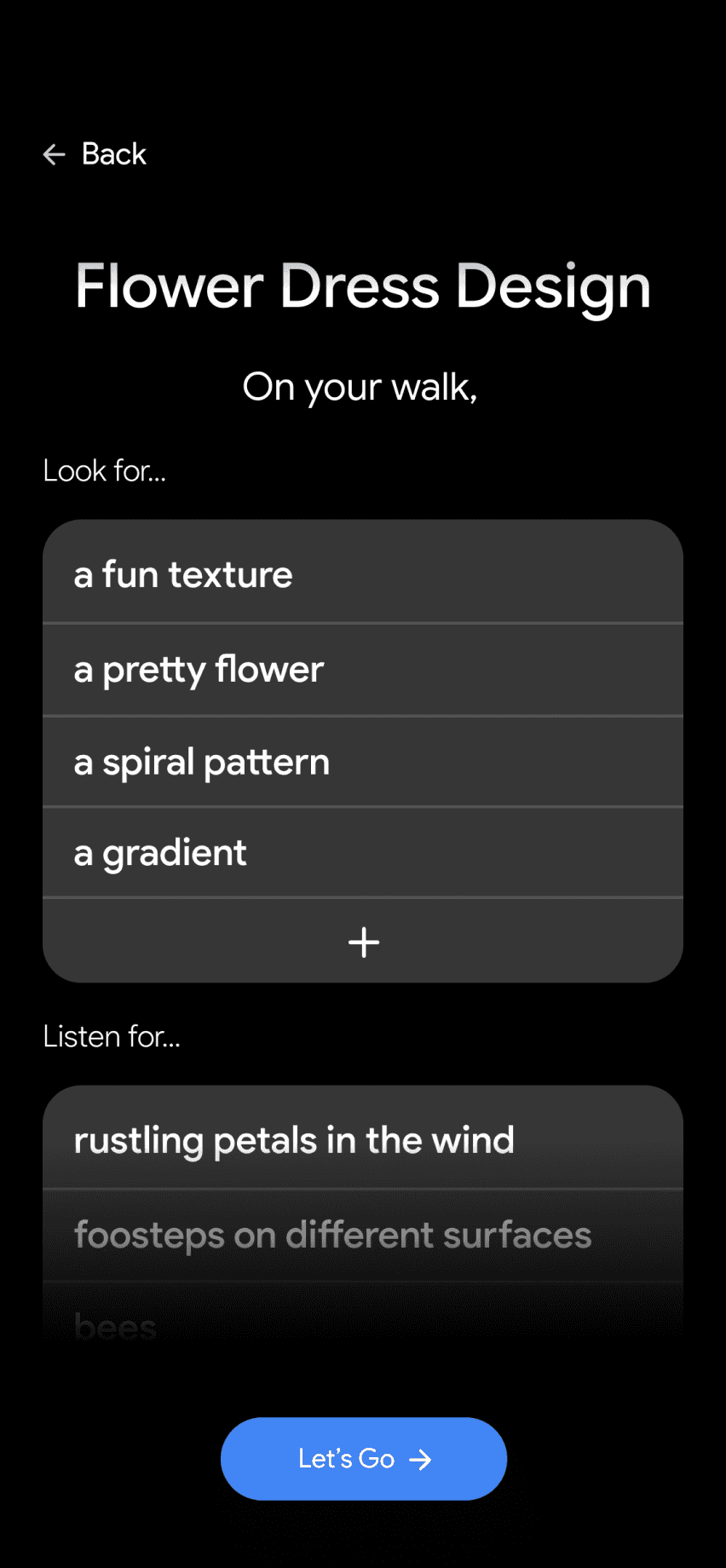
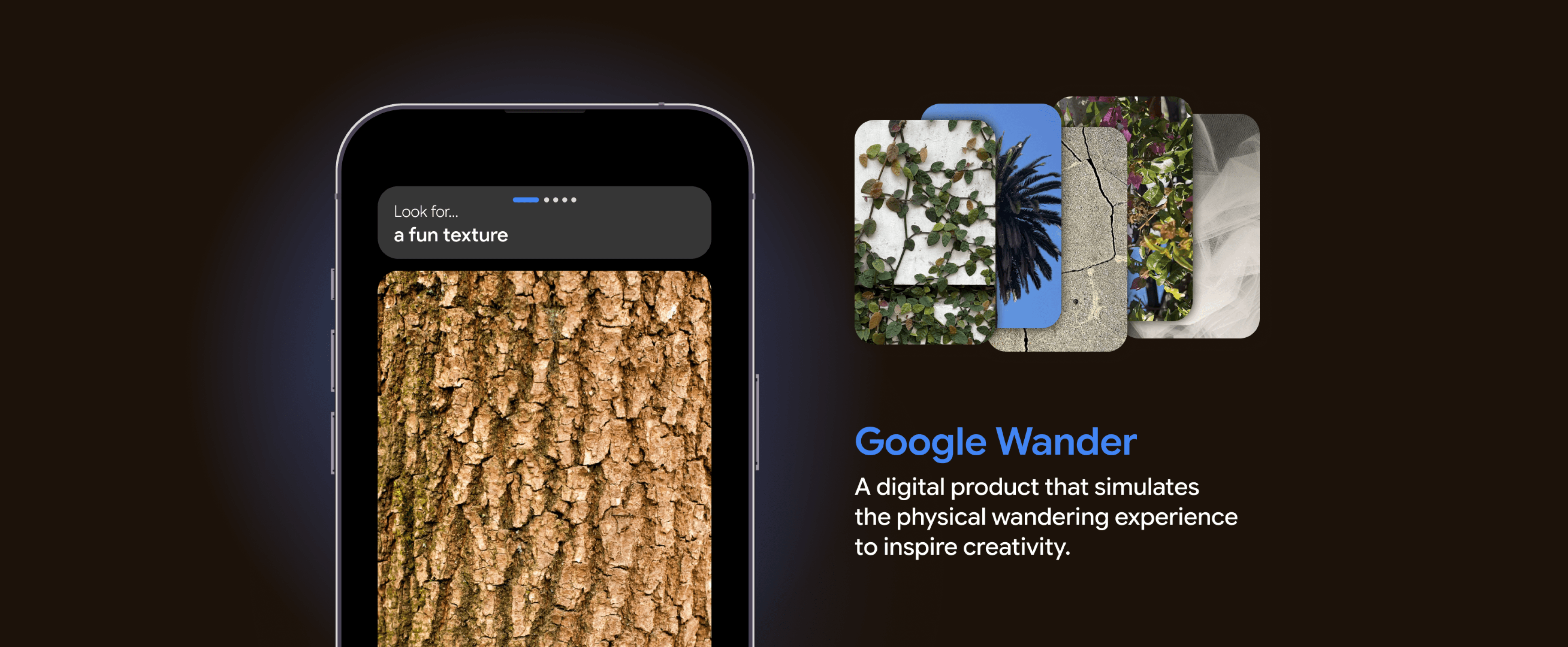
Google Wander works in four steps. You describe your project, and Wander generates directional prompts: specific things to look or listen for on a walk. You go outside and collect photos, audio, and references while the app quietly stays in the background. When you return, everything syncs into a mood board ready to flow into Google's broader AI suite.
The experience is designed to feel less like using an app and more like being guided through the world. The phone is a tool, not the destination.
Google Wander works in four steps. You describe your project, and Wander generates directional prompts: specific things to look or listen for on a walk. You go outside and collect photos, audio, and references while the app quietly stays in the background. When you return, everything syncs into a mood board ready to flow into Google's broader AI suite.
The experience is designed to feel less like using an app and more like being guided through the world. The phone is a tool, not the destination.
Designing for Presence, Not Screen Time
Designing for Presence, Not Screen Time
DESIGN DECISIONS
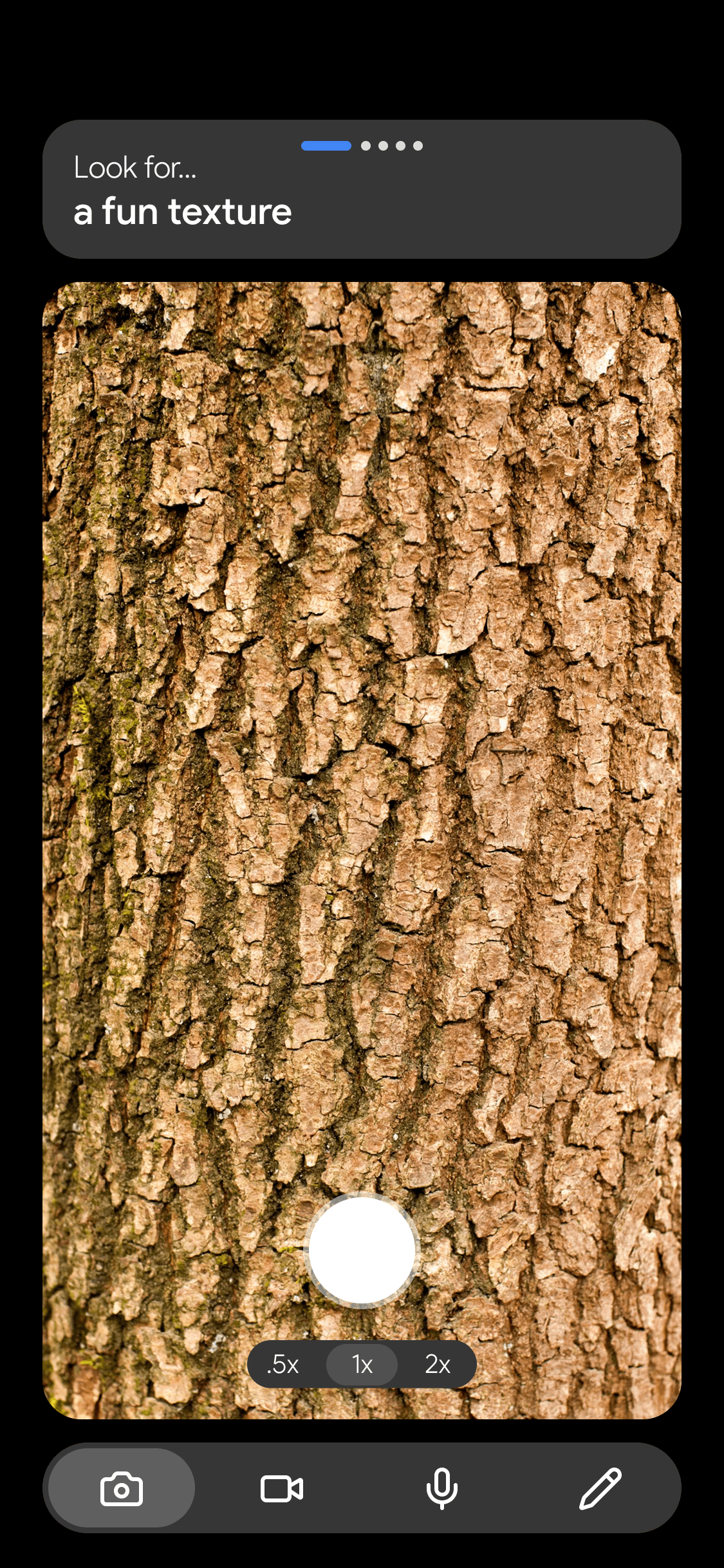
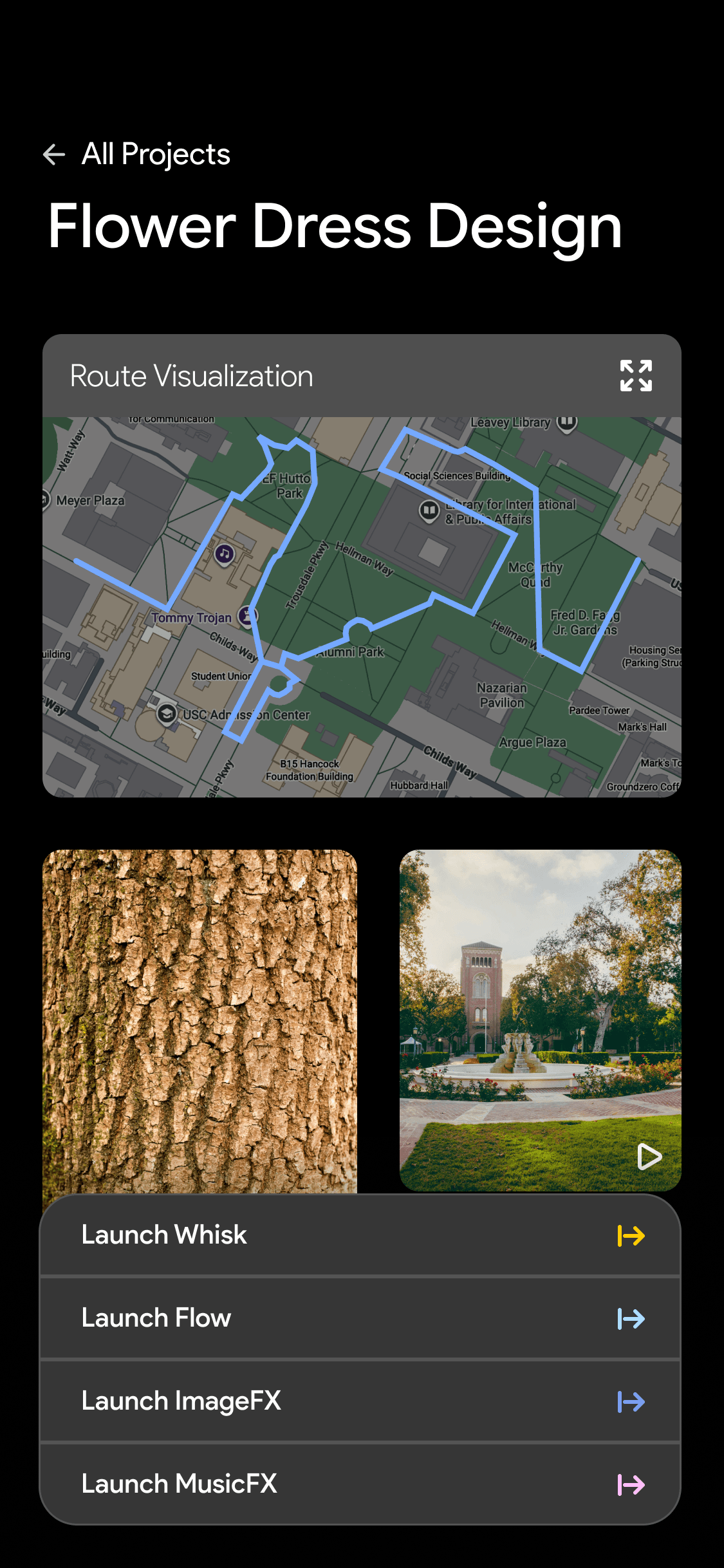
The Camera Interface: I focused on making capture effortless and unobtrusive. Familiar camera interface, one-tap audio recording, minimal UI. The goal was something like Pokemon Go. I aimed to have the app feel as though it was humming in the background, enhancing the real world rather than pulling you away from it.
The Inspiration Board: After a wander, users return with dozens of photos, audio clips, and notes. I designed the board to feel like a living mood board rather than a camera roll. Images are sized by their connection to the original prompt and arranged in an organic, puzzle-like layout so the most relevant pieces surface first.
The Camera Interface: I focused on making capture effortless and unobtrusive. Familiar camera interface, one-tap audio recording, minimal UI. The goal was something like Pokemon Go. I aimed to have the app feel as though it was humming in the background, enhancing the real world rather than pulling you away from it.
The Inspiration Board: After a wander, users return with dozens of photos, audio clips, and notes. I designed the board to feel like a living mood board rather than a camera roll. Images are sized by their connection to the original prompt and arranged in an organic, puzzle-like layout so the most relevant pieces surface first.
The Entry Point to Google's AI Suite
The Entry Point to Google's AI Suite
STRATEGIC POSITIONING
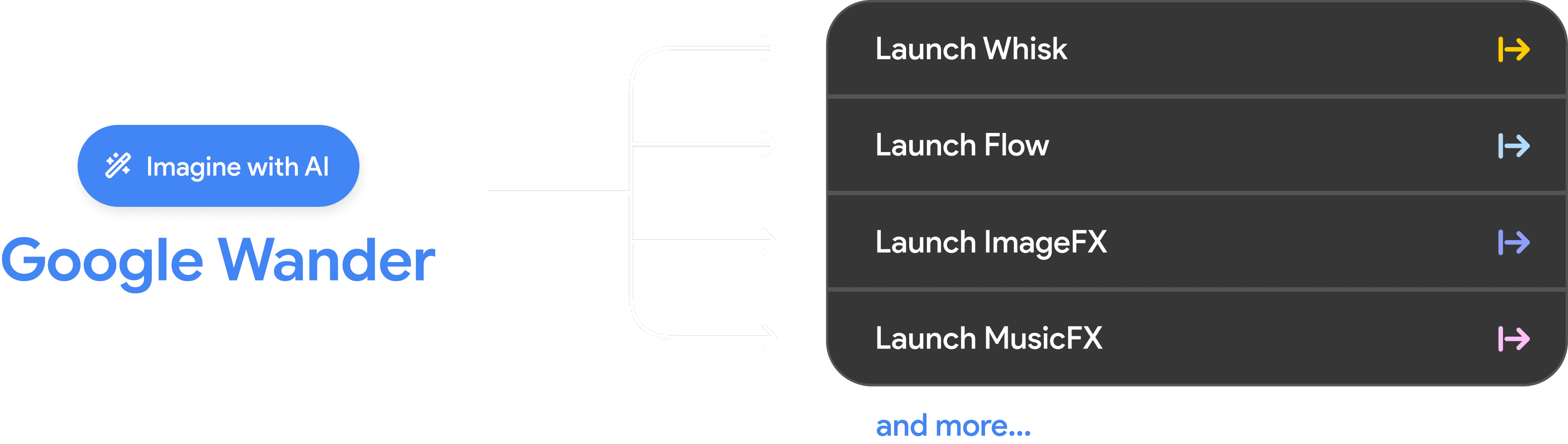
We positioned Wander not as a standalone product but as the creative starting point for the entire Google ecosystem. Everything collected in Wander flows into Whisk, Flow, ImageFX, and MusicFX. This gave Google a mobile-first product that filled a real gap in their portfolio and gave us a clear answer to why Wander needed to exist at all.
We positioned Wander not as a standalone product but as the creative starting point for the entire Google ecosystem. Everything collected in Wander flows into Whisk, Flow, ImageFX, and MusicFX. This gave Google a mobile-first product that filled a real gap in their portfolio and gave us a clear answer to why Wander needed to exist at all.
Google Labs Responded to the Philosophy
Google Labs Responded to the Philosophy
STAKEHOLDER FEEDBACK
The final presentation landed well. The team was especially drawn to Wander's real-world grounding and its approach to reconnecting creators with physical experience over screen time. Future iterations would explore voice control, hands-free capture, and tighter prompt constraints inspired by Oblique Strategies cards.
The final presentation landed well. The team was especially drawn to Wander's real-world grounding and its approach to reconnecting creators with physical experience over screen time. Future iterations would explore voice control, hands-free capture, and tighter prompt constraints inspired by Oblique Strategies cards.
Ethics Separate Product Owners from Pixel Pushers
Ethics Separate Product Owners from Pixel Pushers
REFLECTION
Throughout this project I held onto one conviction: AI should uplift creatives without replacing what makes their work theirs. In an industry that often loses sight of that, Wander proved the opposite was possible.
Inspiration isn't something you generate. It's something you find.
Throughout this project I held onto one conviction: AI should uplift creatives without replacing what makes their work theirs. In an industry that often loses sight of that, Wander proved the opposite was possible.
Inspiration isn't something you generate. It's something you find.